Big Country, Big Possibilities
The European yardstick
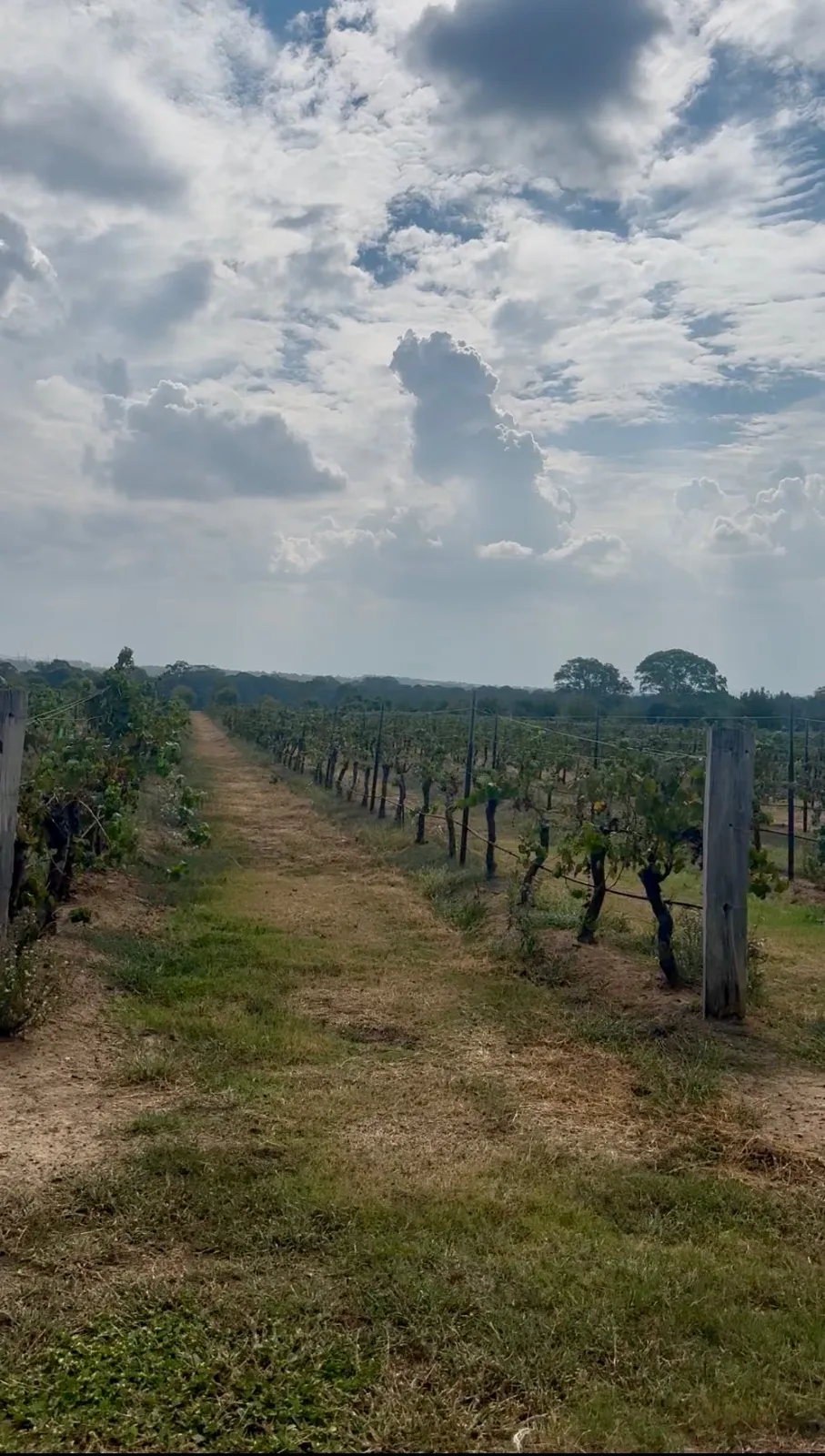
There are many storied wine regions in the world, each with their own distinct terroir and mythology. Some wine-growing regions are so renowned as to have become legendary. But the standards as to what makes a wine or region truly exceptional have historically been seen through a Western European point of view that fails to regard Australian wine with the seriousness reserved for other regions. This perspective overlooks factors that make Australia unique: diverse soil types created by ancient geological formations, a wide-ranging climate, innovation in farming practice, and the regulatory freedom to experiment.
Old world versus new world
In an attempt to classify characteristics in wine from different areas, the wine industry coined a dichotomy: “old world vs. new world.” This separated wine-growing regions in Western Europe, where modern winemaking as we know it today first took shape, from anywhere else on the planet. The thought process behind such a distinction was that in general, “old world” wines come from cooler climates and are made with traditional practices that result in elegant, more acid-driven, less overtly fruity wines, and that the “new world” is warmer and creates richer, more fruit-forward wines. The unspoken implication is that “new world” wines are less terroir-driven and less serious. It’s a Eurocentric viewpoint that the industry is beginning to move away from, and with good reason, as there is wine worth taking seriously being made throughout North and South America, South Africa, and of course, Australia.
A country of many soils
It’s no secret that Australia is a huge country. In addition to its sheer size, it boasts immense variations in topography and soil type which have created a diverse range of wine-growing areas. From iron-rich clay in Coonawarra to granite soil in Eden Valley, its geological history (soil and rock formations that formed hundreds of millions of years ago) and biodiversity make it a veritable playground for wine experimentation.
Some of the world’s oldest vines
As far as vines go, Australia has some of the very oldest. South Australia remains untouched by phylloxera, the devastating louse that tore through European vineyards in the late 19th century. The Barossa Valley is home to what are thought to be the world’s oldest surviving commercial Shiraz vines.
Not all hot and dry
Those outside of Australia might view the country as uniformly warm and parched, but in fact many cool-climate wine-growing areas exist: Tasmania, the Yarra Valley, Adelaide Hills, Orange, and the Canberra District are just a few, all of which can grow wines that retain natural acidity and freshness. Even in warmer regions, influence from cooling ocean breezes, high elevation, and shady slopes can mitigate heat and allow for balanced ripening.
Thoughtful winemaking
Another distinction that is sometimes erroneously made between wines of Europe and so-called “new world” wines is between farming practices, with the idea being that in the “old world” a farmer lovingly tends to his grapes without use of a tractor or pesticides and adds nothing in cellar while other areas churn out more mass-produced, industrial grade wine. Of course there is a grand tradition of minimal-intervention winemaking in many famous regions across Europe, but such a mindset is not exclusive to that hemisphere: our shop specialises in seeking out Australian wines that are hand-harvested, farmed sustainably, and crafted with no additives aside from a small amount of sulphur in some cases.
Room to adapt
Regions in Europe that have historically had colder climates are seeing warmer temperatures, and many growers have been forced to change up farming methods and begin harvest early. In European appellations, strict laws exist as to what grapes can be used in a wine labelled as the appellation, meaning the process of beginning to farm and cultivate new varieties that may be suited to a region is hampered by bureaucracy.
Australia has no rules dictating which grape varieties can be planted in which growing region, and, since there are no native varieties to the country, there is a spirit of experimentation and willingness to give “alternative” varieties a try. A wine labelled with a specific grape, or with the name of a particular region, or with a certain vintage, must contain at least 85% of its contents from that designation, so you have a good idea of what you are getting in a particular bottle. Otherwise, Australian winemakers can play by their own rulebook, and there is much more freedom to plant whatever works best in the region.
Farming on the front foot
Australian producers are also on the front lines of farming innovation due to their experience with tricky climates, spearheading movements like regenerative farming and implementing new water-management practices. That forward-thinking mindset means there’ll be delicious Australian wine for years to come. So next time you go for your usual red Burgundy, try a Tasmanian Pinot Noir instead. Love a Montepulciano from Abruzzo? Give a McLaren Vale one a whirl. There’s so much to discover in wine made close to home.