The cold road home
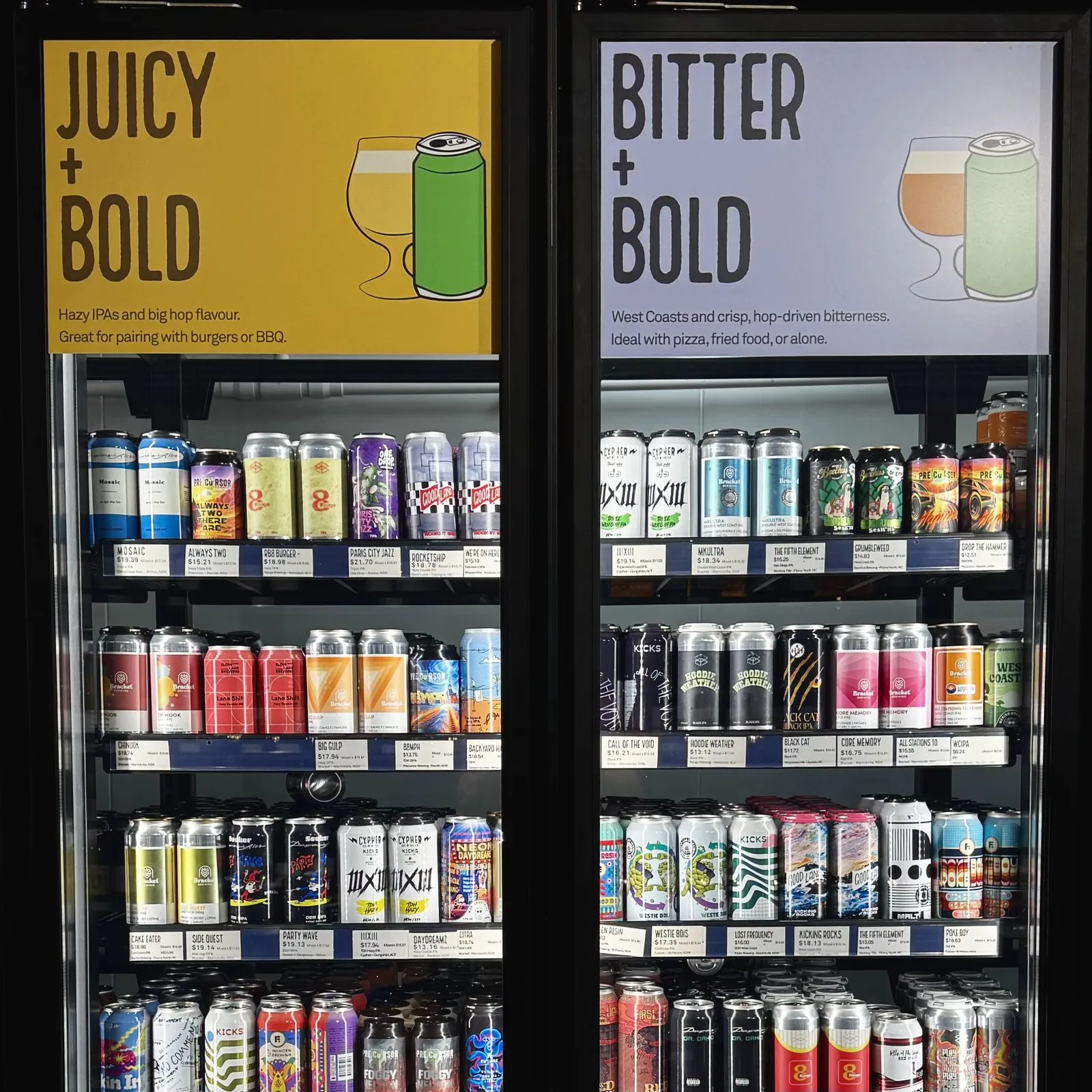
Beer doesn’t ask for too much once it leaves the brewery. Keep it cold. Keep it dark. Don’t make it wait too long.
Most of the beer I’m excited to put in your hands is the stuff that tastes best close to where it was made. Big juicy Hazy IPAs, crisp and hoppy West Coast Pilsners, sessionable flavour-packed Hazy Pale Ales. Those beers are not built for a long, dramatic life. They are built to be brewed well, packed well, kept cold, then enjoyed.
That’s the bit I think about a lot at Bottle Keg Can. Not just what comes in, but how it gets here and what happens next.
A beer made overseas can leave the brewery in perfect shape. Fresh, clean, exactly as the brewer meant it. I’m not here to tell you otherwise. The issue is rarely the brewer.
The issue is the distance.
By the time an imported can has made it through warehouses, ports, shipping, customs, another warehouse, a distributor and then a shelf, it’s a lot to ask of a beer. Often it is three to six months old by the time it is opened. Sometimes it has been kept well and still drinks nicely. Sometimes the bright bits have faded. That’s not the beer’s fault, or the brewer’s. It has just had a long trip.
Most beer comes in cans now, and there are a few reasons for it. Cans don’t break easily, and they’re lighter to ship, which counts when beer travels. But the big one is light. Light gets at beer fast and leaves it smelling off, and a can shuts it out completely. Glass can’t. Clear and green bottles let most of it through, brown is better but not perfect. It’s one more reason a can is a better way to look after your beer.
Hoppy beer is the one that shows it first. Pale Ales, IPAs, Hazies and Hoppy Lagers are built on aroma and freshness. Heat speeds up staling, and as a broad rule beer ages two to four times faster for every 10°C warmer it gets. Warm storage takes the shine off beer quicker than cold storage does.
So we keep it cold.
Everything that comes into Bottle Keg Can goes straight into the fridge. Every case. Every can. From the moment it comes through the door until you take it home, it sits between 1 and 6°C.
No warm stacks on the floor. No cases waiting around because we’re busy or out of space. The beer comes in cold, and it stays cold.
That sounds like a small detail, but it’s a big deal. Cold storage slows the beer down. It keeps hop character brighter. It gives malt a better chance of staying clean. It means the beer you take home has had a better run from the brewery to your fridge.
Good beer should taste the same in your home as it does in the brewery. That’s the aim, and the local breweries give us a great head start.
Sunday Road are 10 minutes up the road. When we get something new, the beer leaves their cold room and is in mine not long after. Beer Fontaine, Bracket, Future, The Social Brewers and a few other local breweries are the same kind of story.
Brewed nearby. Packed recently. Moved quickly. Kept cold. Fridge to fridge, usually under 45 minutes.
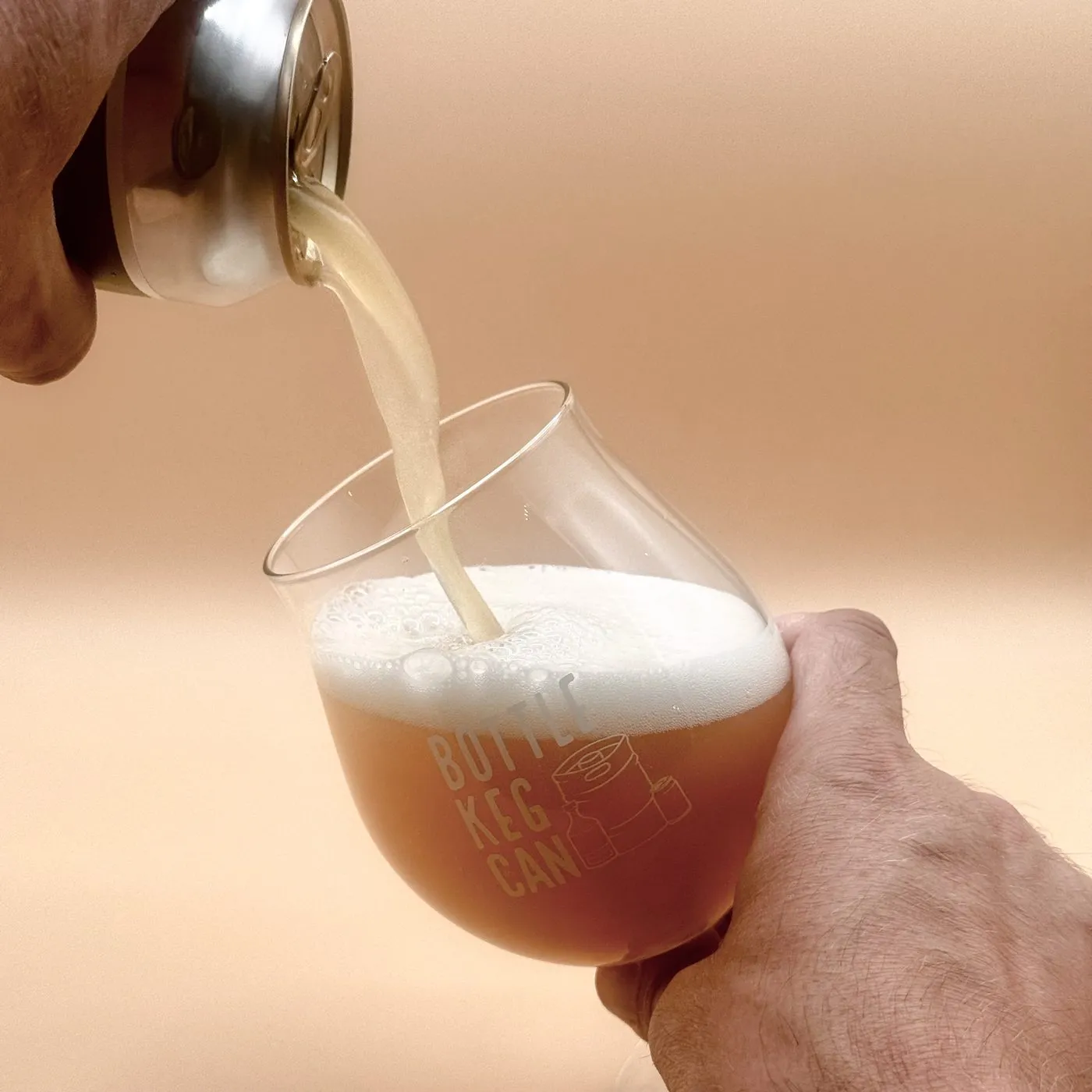
It’s not complicated. No long supply chain. No guessing how many warm rooms the beer has seen. Just good beer made close by, handled properly, then put somewhere cold until you take it home.
A fresh local IPA that has been cold from the brewery to the shop is a different thing to one that has spent months getting here. You can tell it in the aroma first. Then in the middle, where the hops still have shape. Then in the finish, where the beer still feels clean instead of dull.
Some styles are more relaxed about time. Stouts, Ambers, Barleywines and stronger darker beers can handle age better. Some are made for it. Those beers have malt, roast, alcohol or structure to lean on.
Fresh hoppy beer is different. It has a shorter window. Days and weeks are where the best drinking usually lives. A few months can still be optimum if the beer has been kept cold. After that, it depends on the beer, the style and how it has been treated.
That’s why I get a bit twitchy when I see hoppy beer sitting warm on a shop floor. It might be fine. But if you’ve got a choice, cold and dark is the safer bet.
There’s a really good Crafty Pint guide written by Certified Cicerone Briony Liebich if you want the full how-to on buying and storing beer. Worth reading if you’re keen to know more. https://craftypint.com/news/4098/beer-basics-buying-storing-and-drinking-beer-at-its-best
So next time you pick up a beer at Bottle Keg Can, know that we’ve done everything we can to ensure that it drinks as well at home as it did in the brewery.