The Other Cabernet
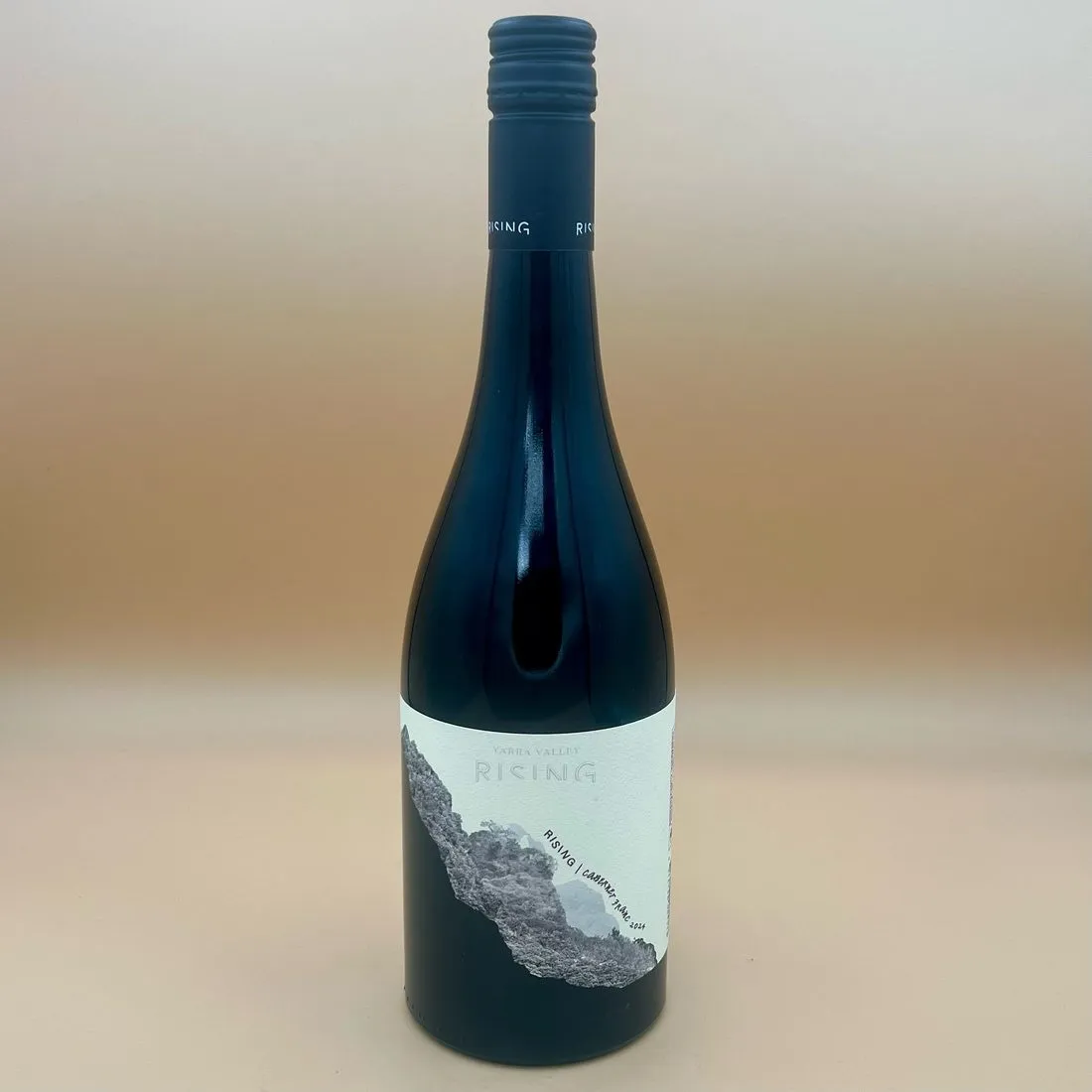
Everyone knows Cabernet Sauvignon: it’s the most-planted grape varietal in the world. It’s traditional, classic, and, to some drinkers, even a little over-played.
The “other Cabernet,” in contrast, doesn’t see quite as much love in the popular imagination, despite its historical importance in several European wines.
A grape with pedigree
Cabernet Franc is the parent grape of Carmenere, Merlot, and Cabernet Sauvignon.
In France, it’s a crucial component of some Bordeaux blends, and single-varietal renditions in the Loire Valley have found favour with many a sommelier.
It’s also featured in some “Super Tuscan” blends in the storied hills of Tuscany, Italy, though blending with non-Italian grapes has fallen slightly out of favour in recent years.
It is thought that Cab Franc was probably among the cuttings that James Busby brought over to Australia in the mid-1800s. Initially, it was mostly relegated to the realm of blends. The first single-varietal Cab Franc was most likely in 1993 by Paracombe of Adelaide Hills.
Tricky to grow, rewarding to drink
These days, producers in Adelaide Hills continue to hone their skill with Cab Franc, as well as those in Margaret River and the Yarra Valley. It’s a grape that can be a bit tricky in the vineyard: it grows rapidly, ripens early and unevenly, and is highly sensitive to climate. It requires thoughtful care to coax into great wine, but in the hands of a skilled farmer and winemaker, it’s vibrant and infinitely drinkable.
Lighter and juicer than the better-known cab, it retains bright acidity and features a symphony of tart red-fruit flavours like strawberry and raspberry that can read as almost candied on the nose, transforming to more savoury on the palate. There can also be undercurrents of darker fruits like plum.
Aromatics and pairing
Cab Franc contains an aromatic compound, pyrazines, that lends a distinct green note, sometimes likened to green bell pepper. This element can be emphasised with some wine-making practices like whole-cluster fermentation, but many producers tend to attempt to smooth out any overtly-vegetal character by direct-pressing the grapes after harvest.
Herbaceous elements like mint, tomato leaf, and peppercorn are also common features in a glass of Cabernet Franc, as are woody, earthy tinges of graphite and cedar.
Because of its brilliant fruit and fresh herbal character, Cab Franc is a versatile food-pairing wine. Mediterranean and Middle Eastern food, with their earthy flavours and herb-heavy recipes, shine with a glass of Cab Franc. Anything roasted with rosemary or thyme will sing. Tangy cheeses like goat cheese are also delightful with a lighter style of Cab Franc, while nuttier, more umami-rich cheeses like gouda work beautifully with fuller-bodied renditions.