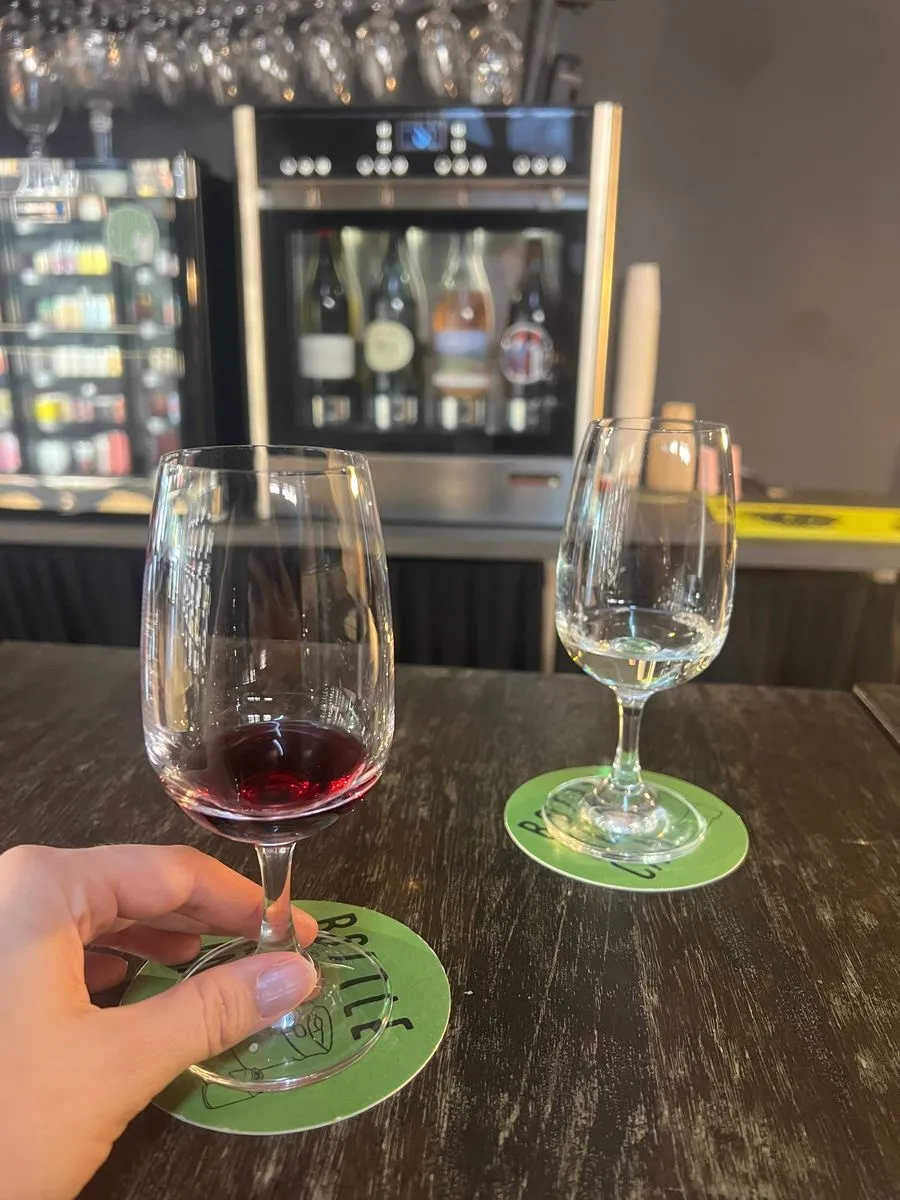
The Ripple Effect of a Bottle of Wine

“Shop local” is no longer a revolutionary concept. We’ve embraced making the daily pilgrimage to the café around the corner and stopping by the farmer’s market on the weekend, knowing that our money goes further in our own communities. But while we’re thoughtful about where our food comes from, wine is one part of the weekly shop that sometimes gets overlooked, and that’s a shame for both our communities and our taste buds.
The case for buying local
A handful of large retailers now account for the vast majority of Australia’s liquor sales, yet so much exciting Australian wine lies beyond the supermarket shelf and the big-box store. Small shops have the freedom to curate: to seek out hidden gems made by winemakers here in Australia who respect both the land and the craft, and to build relationships with those producers. They’re able to stock wines that rarely appear in national chains.
At Bottle Keg Can, we only add wine to our shelves if the producer makes under 500,000 litres per year. We also have strict quality standards: sustainable farming and minimal-intervention in the cellar are two things we look for in each bottle. For the customer, this helps take some of the guesswork out of sifting through wine.
It scales too: Westpac modelling puts a $16 billion annual GDP lift on the table if households shifted just $100 a week to Australian products. Every bottle of wine purchased is a vote for the kind of wine industry we want to support.
Why Australian wine
In this country, we’re absolutely spoiled in terms of excellent wine being made. From elegant cool-climate Gamay in Orange to Mediterranean varieties like Nero d’Avola thriving in South Australia, Australian wine has never been more diverse. Winemakers are honing hundreds of years of tradition while continuing to experiment with alternative varietals and new styles.
Despite the quality of Australian wine, imported bottles continue to dominate many wine lists and retail shelves. We’ve embraced the idea of farm-to-table food, yet that same mindset should extend to the glass. Choosing Australian wine is an act of support for small winemakers who are pushing the industry forward. It’s also delicious.
The sustainability angle
With the effects of climate change looming, making sustainable purchases is front-of-mind for many consumers. Farming, packaging, and transport all matter when it comes to the wine industry’s carbon footprint. Shopping closer to home means fewer transport miles, and buying Australian wine generally avoids the long international supply chains associated with imported bottles.
Small wineries can often adopt sustainable practices more quickly. They are nimble enough to try out methods like regenerative agriculture, lightweight and alternative packaging, renewable energy, and water-saving initiatives without needing approval from corporate stakeholders.
Shopping independent and choosing Australian is a small decision, but a meaningful one. It’s an investment in an industry that employs thousands of Australians, and it helps shape the kind of wine culture we want to see: one that values local communities, rewards thoughtful producers, and keeps fantastic Australian wine on our tables.