What your mouth is telling you

When it comes to wine, we know what we like when we taste it, but it can be tricky to put a finger on why. Each sip contains a symphony of micro-sensations that contribute to the overall experience.
To zero in on exactly what you enjoy in a wine so that you can find more of what you like, it’s helpful to break it down by sensation: how it actually feels on your palate.
How heavy is it?
When you’re looking for a wine, often one of the first questions you’ll be asked is: “are you after something lighter, or something full-bodied?” The body of the wine is determined by factors like its viscosity, alcohol level and tannin structure. A way to decode a wine’s weight is to think about how it rests on your tongue.
A light-bodied wine will have a weight akin to skim milk, while a medium-bodied wine will feel more like full-cream milk. Finally, a full-bodied wine will have a mouthfeel that is similar to the weight of thickened cream.
As for alcohol level, it’s all about the degree of heat you feel as you take a sip. After something with more weight on your tongue that warms like bourbon as you swallow? You’re looking for something full-bodied. Want something that feels weightless and refreshingly easy to drink? A light-bodied wine is your pick.
Zip, zing
Imagine biting into a lemon or a sour lolly: the way your mouth waters, the zippy feeling in the back of the jaw. That’s acid, and wines can have it to varying degrees.
Riesling is known to have acid in spades, and Chenin Blanc and Albariño are also notably acidic. Balance is key in an acidic wine to make sure it isn’t too sour or austere.
Reds need acidity too: the best examples of Pinot Noir, Sangiovese, Barbera and Gamay all have a refreshing acidity.
When a wine lacks acidity that ties everything together, it tastes flat and flabby.
Some varieties, however, retain less acidity and still make beautiful wine: Marsanne and Roussanne, for white examples, and Grenache for red. Wines with lower acidity will feel smooth on the palate, more plush on the tongue.
If you love that citrus-zest zing, you probably love an acid-driven wine. If you prefer something softer, lower acid is your go-to.
A hint for checking out a menu or a shelf: wines from cool climates tend to hold onto acidity more than their warm-weather counterparts, though practices like planting at higher elevation and earlier picking time can also keep the wine’s acid levels elevated.
Dry vs sweet vs fruit
Dry simply means there isn’t discernible residual sugar in the wine, rather than being an evaluation of how fruity or juicy something is. If you aren’t sensing any actual sugar (sweet wine will feel a bit viscous on the tongue, think of soda or syrup), the wine is considered dry. Which means, even though there is a spectrum from dessert wine to bone-dry, usually saying you want a “dry wine” doesn’t rule out too much other than bottles that are explicitly made in a sweet or slightly sweet (off-dry) style.
It’s still useful to think of wines in terms of the intensity of fruit flavour. If you love a wine that tastes like the juice from a tin of sliced pineapple or smells like a freshly peeled fruit roll-up, but doesn’t leave a noticeable sweetness on your tongue, you’re after a dry but fruit-driven wine.
The bitter truth
Think of a cup of black coffee or tea. They’re both intense, with a bitterness that can linger. This is because they both contain tannins, as do grape skins.
If you like a wine that has that same feeling of strength and grip, that astringency that seems to lick the moisture right off your teeth, then you like a tannic wine.
Tannins can also come from wood grain in addition to the grape skin if the wine was aged in some form of oak. In a balanced wine, they will feel well-integrated with the other flavours and sensations present.
An example of a powerfully tannic grape variety is Nebbiolo. Deceptively light-coloured in the glass, the wine, especially when young, can pack a tannic punch, sucking the moisture out of your cheeks and leaving your tongue parched. Discussion around tannins is mostly focused on red wines. Whites carry little to no tannin from their skins, and can take a touch from oak, but noticeable grip almost always means skin-contact or orange style, where the juice is fermented on the grape skins.
Putting it together
Now that you have an idea of the way different wine characteristics feel, it should be easier to describe what you’re in the mood for when you’re searching for a bottle or a glass. In the meantime, here are some examples of wines that commonly exhibit combinations of the above descriptors:
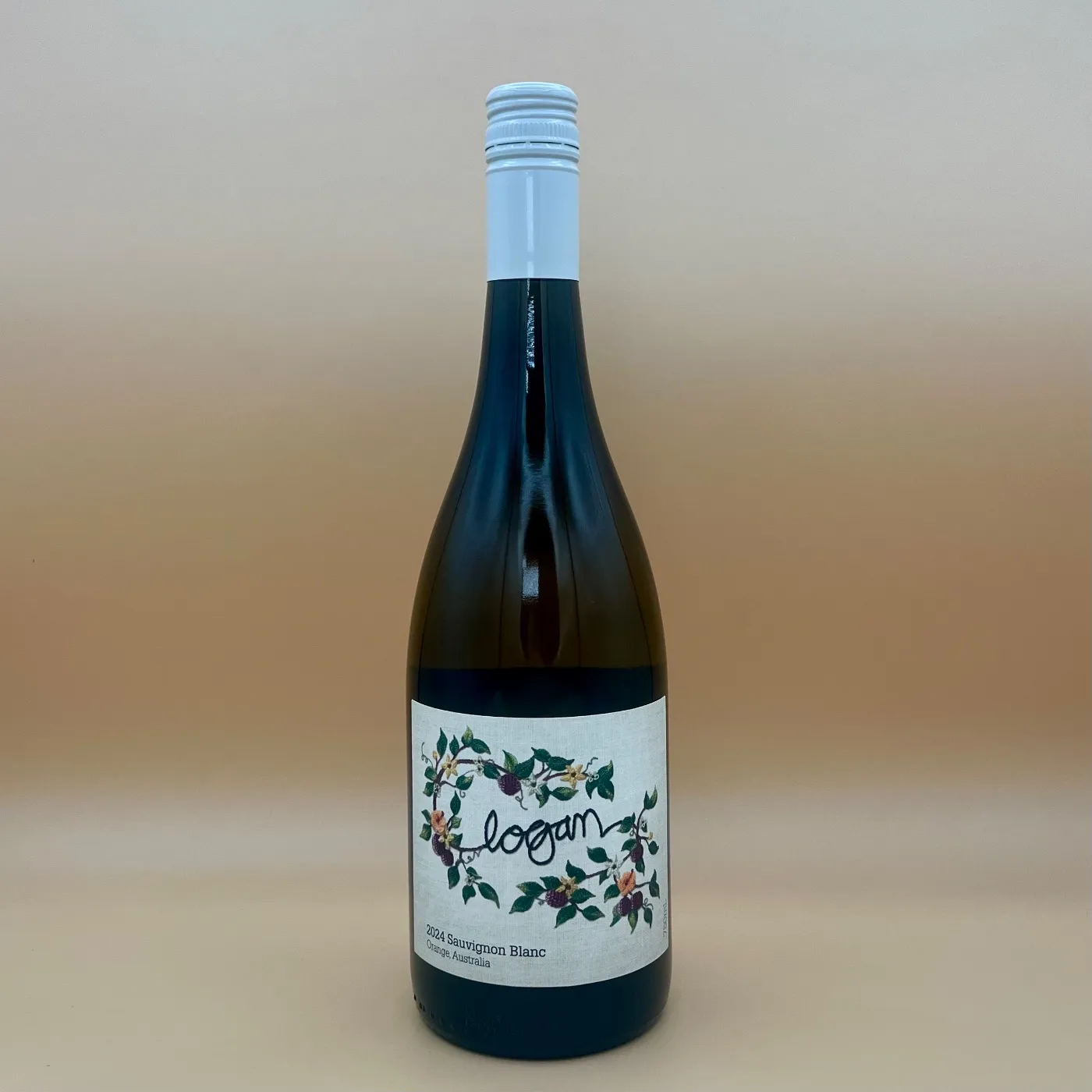
Light-Bodied + High Acid White
Fits the bill: Sauvignon Blanc, Gruner Veltliner
Our shelf pick: 2024 Logan Sauvignon Blanc
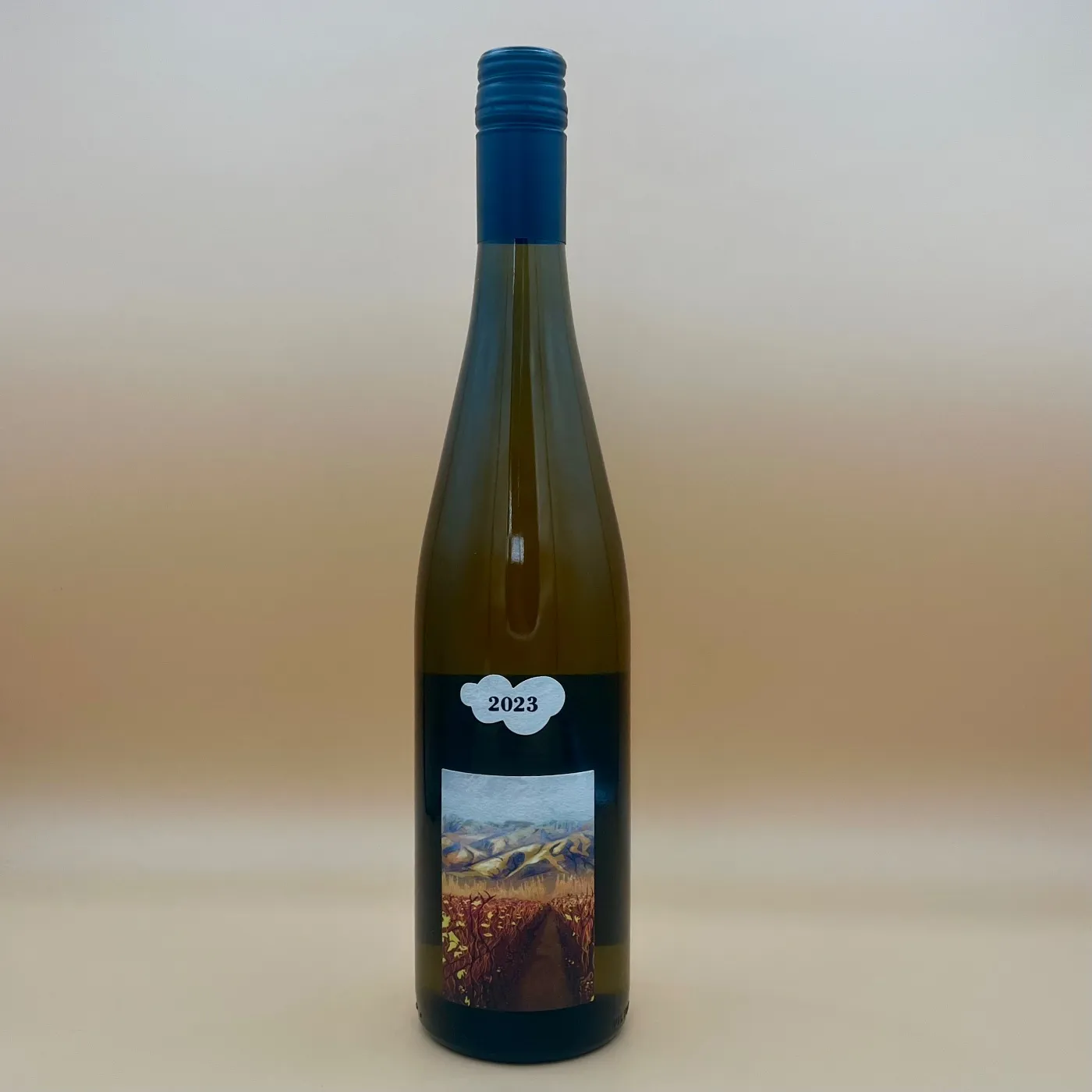
Sweet + High Acid White
Fits the bill: Late-harvest Riesling or Chenin Blanc
Our shelf pick: 2023 Reed “Siren” Riesling
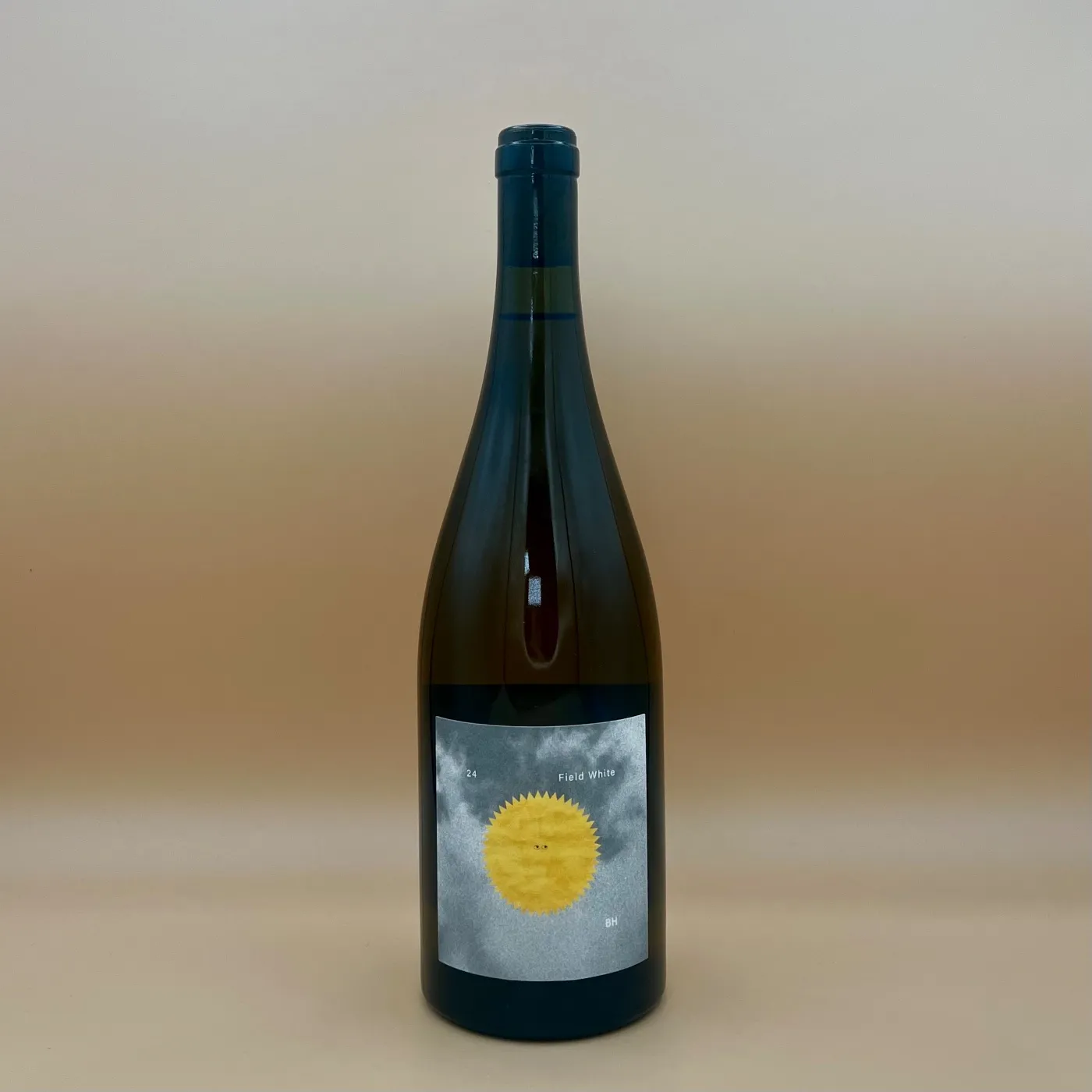
Medium-Bodied + Low Acid White
Fits the bill: Grenache Blanc, Marsanne, Roussanne
Our shelf pick: 2024 Ben Haines Field White
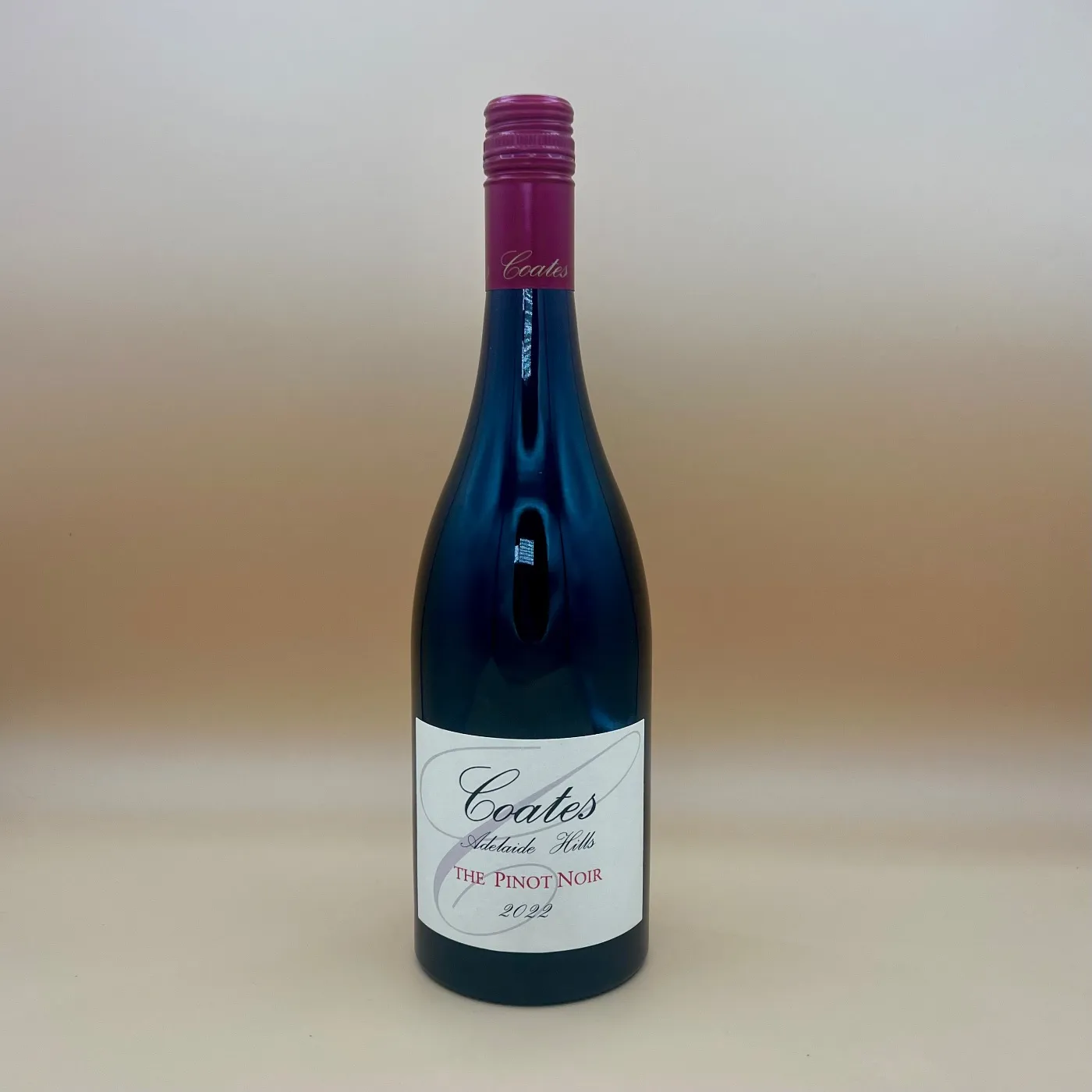
Light-Bodied + High Acid Red
Fits the bill: Pinot Noir, Gamay
Our shelf pick: 2022 Coates Adelaide Hills Pinot Noir
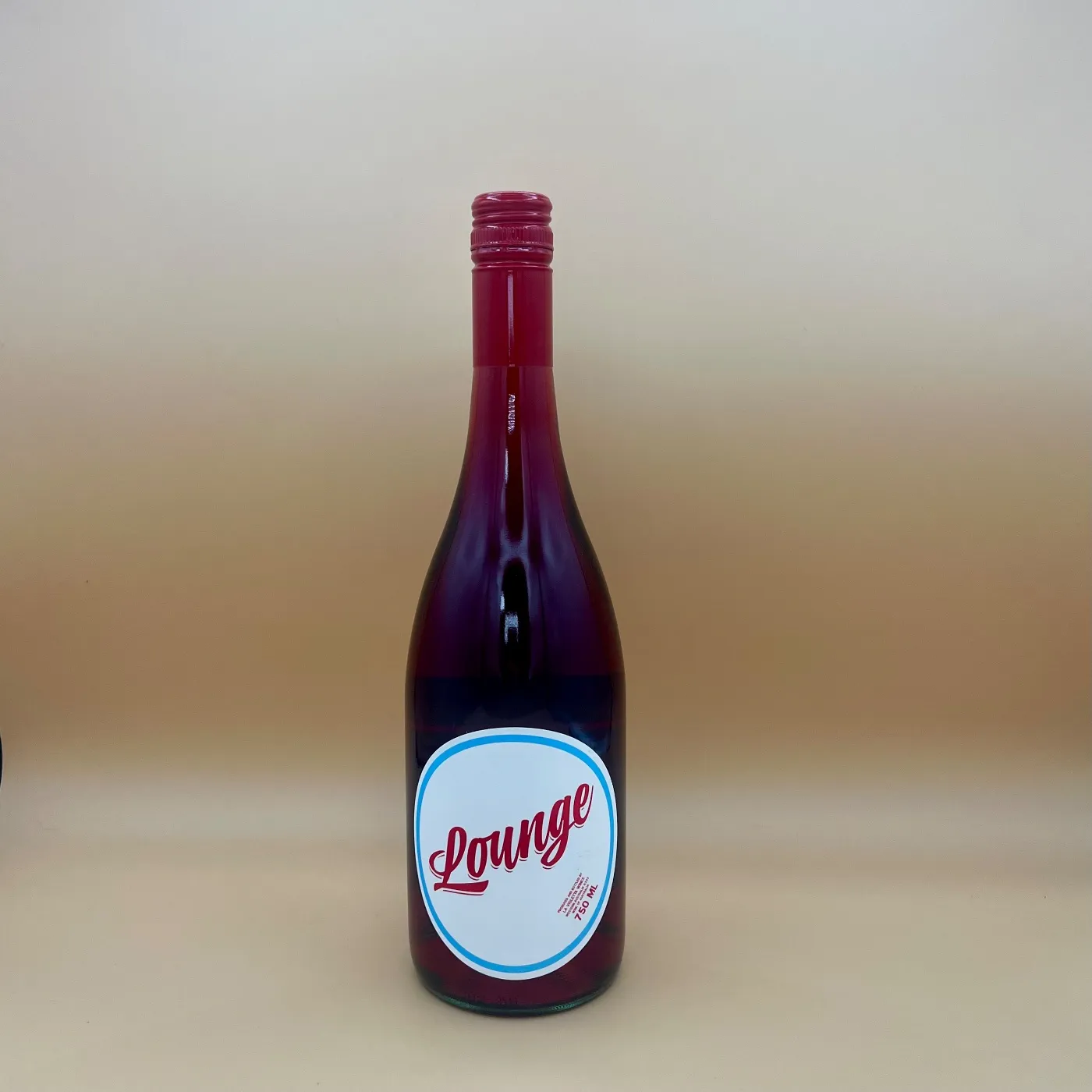
Medium-Bodied + Low Acid Red
Fits the bill: Grenache, Merlot
Our shelf pick: La Violetta 2025 “Lounge Chill” Grenache
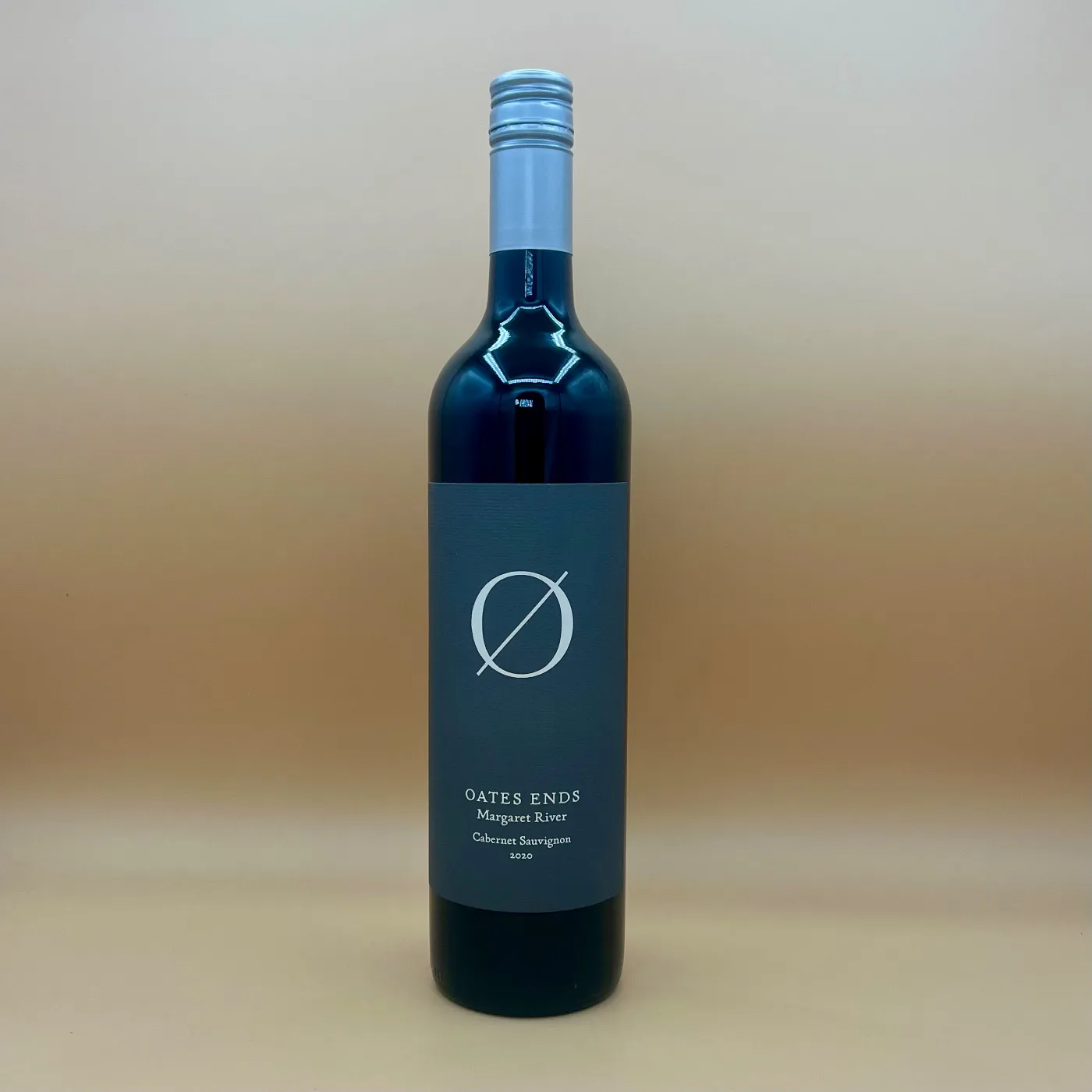
Full-Bodied + Tannic Red
Fits the bill: Shiraz, Cabernet Sauvignon, Malbec
Our shelf pick: 2020 Oates Ends Cabernet Sauvignon